Narrative Atoms and The Soap Hero’s Journey

Narrative Atoms Narrative Atoms and The Soap Hero 8217 s Journey

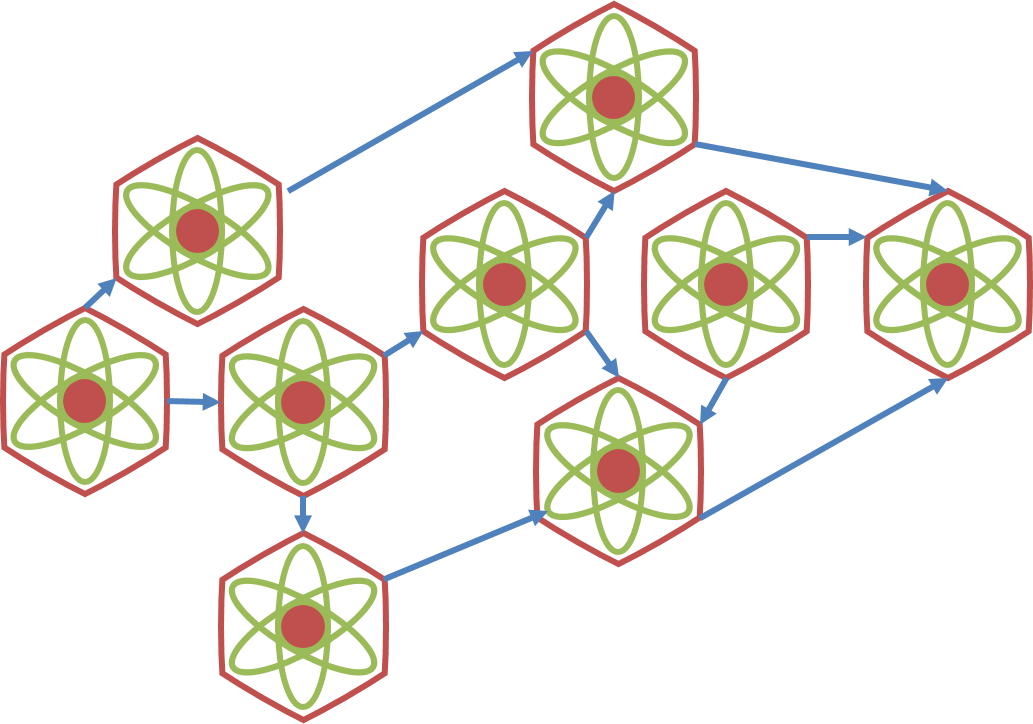
Narrative atoms are small units of narrative or story that can, within the context of the overall narrative, stand alone. That does not mean they need to be completely self-explanatory, just sit comfortably on their own.

In a standard linear story, each atom would be placed sequentially, so their ability to stand alone is less important. However, in many games narrative bends and twists and turns in a non-linear way. For that to work, for a story to makes sense as it jumps from A to C to G to B and back again, each section, each narrative atom must be able to hold its own without the need every other atom to support it. Read More ...

Emotions and Gamification

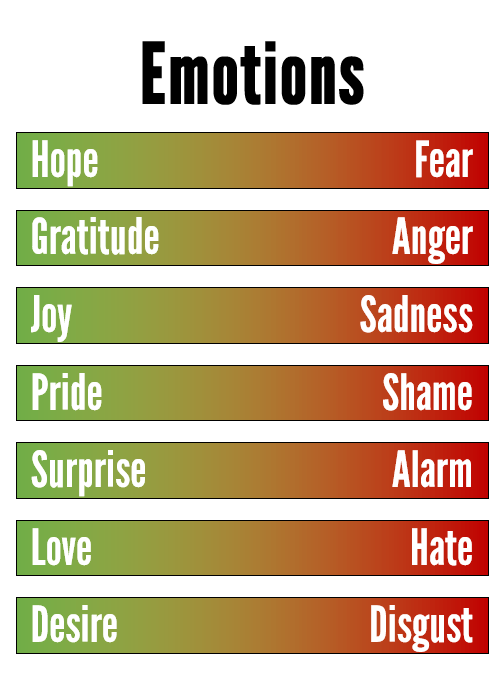
You may have noticed in my newest design framework that I mention emotions for the first time (I think) as a full consideration in my design process. I am by no means the first to think about it in a design framework. If you look at the MDA framework the authors describe the aesthetics as:

the desirable emotional responses evoked in the player, when she interacts with the game system.

Later a more gamification focused framework, the MDE framework 2, dropped aesthetics and replaced them directly with emotions. Read More ...

Gamification Element: Investment

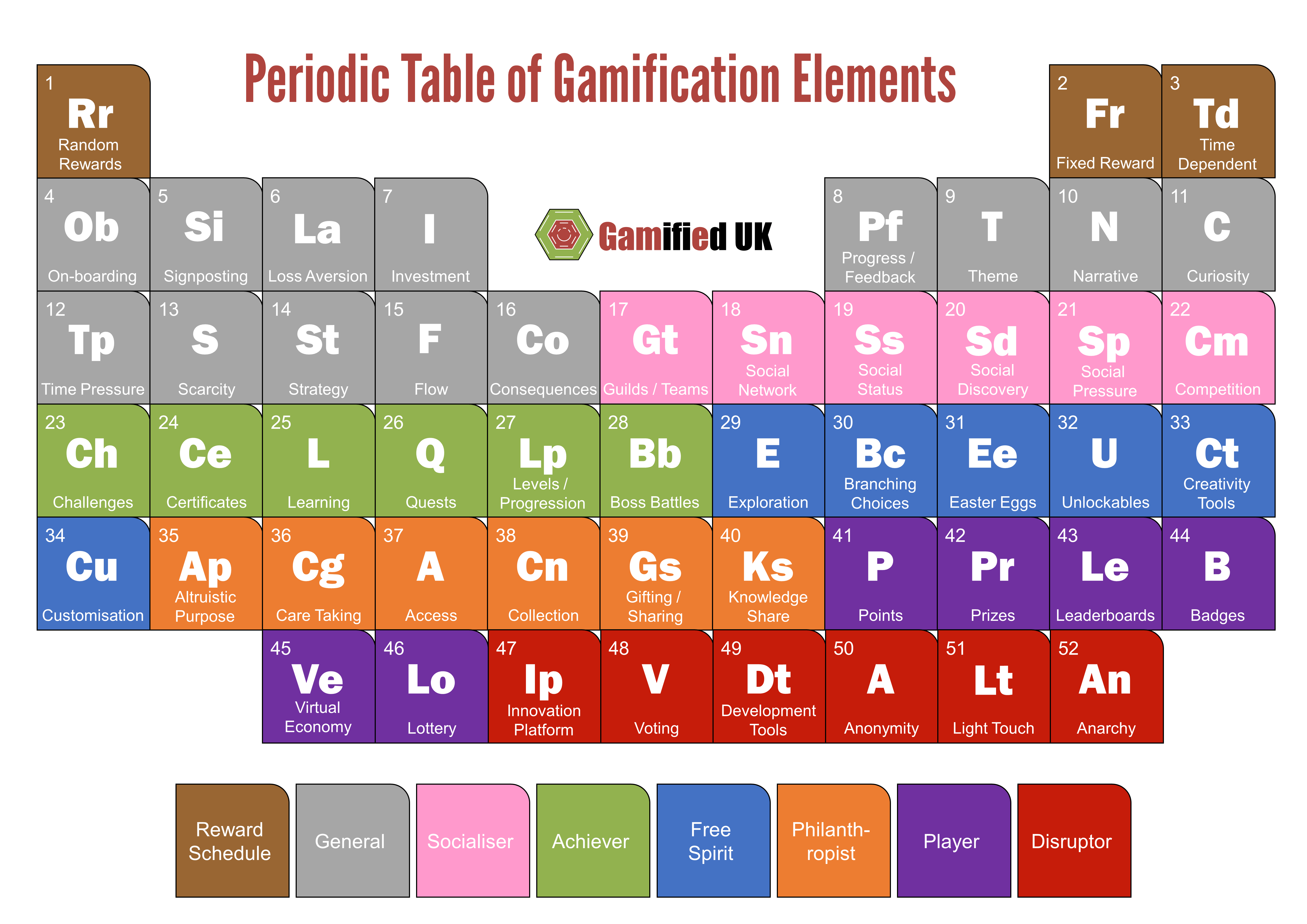
I have just added a new element to the gamification periodic table, investment.

Whilst I have Loss Aversion and a few other things that may seem similar, I have felt for some time that there was still an ingredient missing. It turns out, it was investment (I think…).

Now, you may instantly think of investment as a financial affair, in fact, the icon I have chosen deliberately induces that though. However, investment comes in several flavours;

  1. Financial: Money, virtual currency, possessions
  2. Emotional: When you get into a good book or film, you are emotionally invested. The same is true of any relationship.
  3. Time: When you spend time doing something, you are investing in it. So time spent getting your stats as high as possible in-game, that’s a significant investment.
  4. Effort: Whether it is mental or physical, expending effort is an investment in an activity.

A great example of all of these being in play is higher education. Students have to spend money on tuition fees (or at least be aware they will be paying them back for some time). They have to invest emotionally, not just in the subject and the process of learning for higher education, but also in the relationships they form whilst in higher education. They have to invest a significant amount of their time, years in fact. Finally, there is a huge amount of mental effort required to succeed. Read More ...

4 Tips to Balance Your Gamification

There is nothing worse than playing against people who are miles ahead of you in terms of either ability or equipment. It is very demoralising to lose time and time again when in reality you never have a chance. Take leaderboards as a good example. Very often the people at the top are always the same few names, over and over again. For most companies, this does not seem to get addressed for some reason. It’s a bit like pitting your local Sunday Dad’s league against Chelsea every week. There is no opportunity for the Sunday players to ever be as good as Chelsea, they will get destroyed week after week until they give up playing. It is totally unfair and unbalanced. This is why in organised sports, you have divisions and leagues. You only play against people that you have a fair(ish) chance of beating. Read More ...

The Periodic Table of Gamification Elements

Just a quick post to officially introduce the Periodic Table of Gamification Elements. This is all 51 of my Gamification Mechanics and Elements in a pretty table 🙂

Buy the poster here https://www.redbubble.com/people/gamifieduk/works/25949573-periodic-table-of-gamification-elements

My next blog will be explaining my new design framework, but as a teaser here is a quick video I did to introduce part of it.

Exit mobile version