Defining Game Mechanics in a Gamification Context

Mechanics Defining Game Mechanics in a Gamification Context

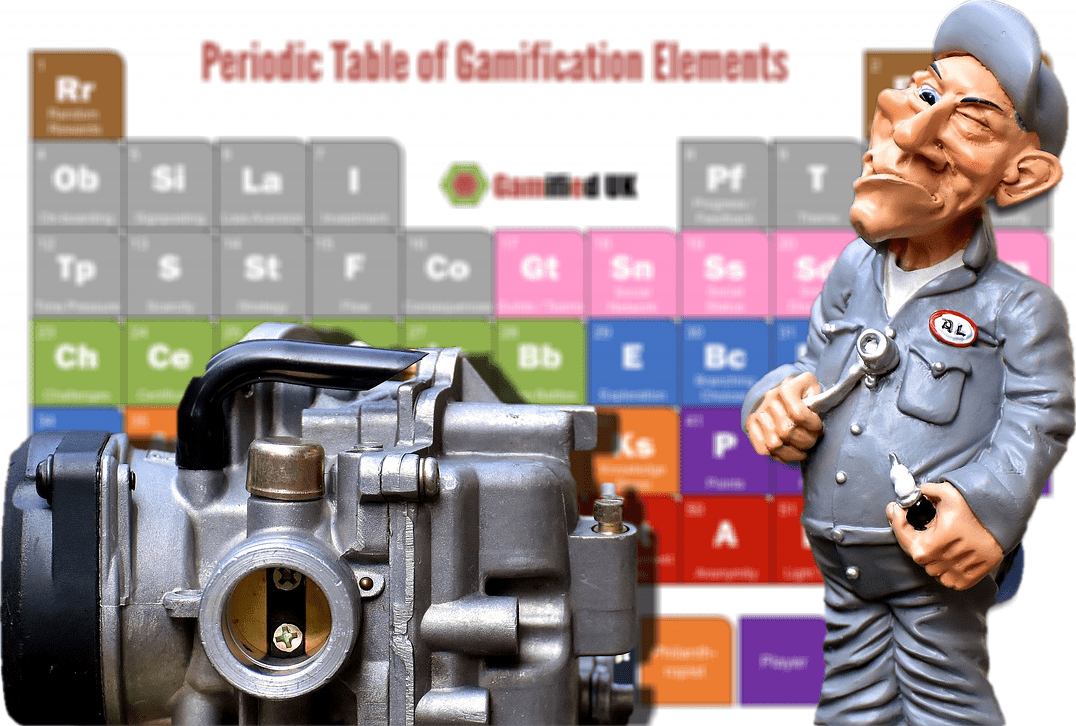
Ok. I’ve approached game mechanics a few times, but the conversation still persists and the misuse of terms gets worse and worse! I wanted to put together a little glossary with contextual examples, based on my research – so feel free to disagree.

Mechanic: A distinct set of rules that dictate the outcome of specific interactions within the game.

  • Game Example: Digging blocks is the core mechanic. Crafting is another mechanic.
  • Gamification Example: The drag and drop mechanism in timeline sort challenge. The timer is also a mechanic as is the act of turning over cards in the memory match game.

Dynamic. The emergent outcomes of player and system interactions with game mechanics.

  • Game Example: Building a fortress in Minecraft with friends.
  • Gamification Example: Pooling knowledge in the social chat area to help each other complete the challenges.

Aesthetic/Immersion: The feelings and emotions the game evokes in the player. Read More ...

Honest Work: Outcome Based Goals and Feedback

We recently moved office, which has offered me the chance to bring to mind a concept my Mum would refer to as “Honest Work”. What is honest work? In this case manual labour involved in building flat pack chairs and setting up networks, but in Mum’s definition, it is anything that has a physical or visible outcome. For instance, stacking shelves in a warehouse, putting up some shelves, creating a routine in a bit of software. Anything where you can quickly see results and even better, results you can be proud of. Read More ...

A New Year for Gamification

As we usher in a New Year, I wanted to make a few New Year wishes for gamification in 2018.

The industry finally matures and stops acting like a petulant teenager!
  • 2017 saw a lot of advances in gamification, but the industry still has a way to go. Misogyny, pettiness, immature attitudes towards research and evidence are just some of the problems we still face.
  • And don’t get me started on the concept of 1-week courses producing gurus and specialists!
We stop using words like “addictive” and “addicting” (goes for the games industry as well)

  • We do not want to create addictive products. Engaging, yes. Compelling, yes, but not addictive. Addiction is very bad, yet I keep hearing people talk about creating “Addictive products” or “Addictive experiences” and seeing it in product descriptions and platform description. Again, addiction is bad, we don’t want it! If you can’t make a product that is engaging without relying on behaviour loops that create addiction, you need to get out of the industry.
  • Read More ...

    Intrinsic Motivation RAMP Misconceptions

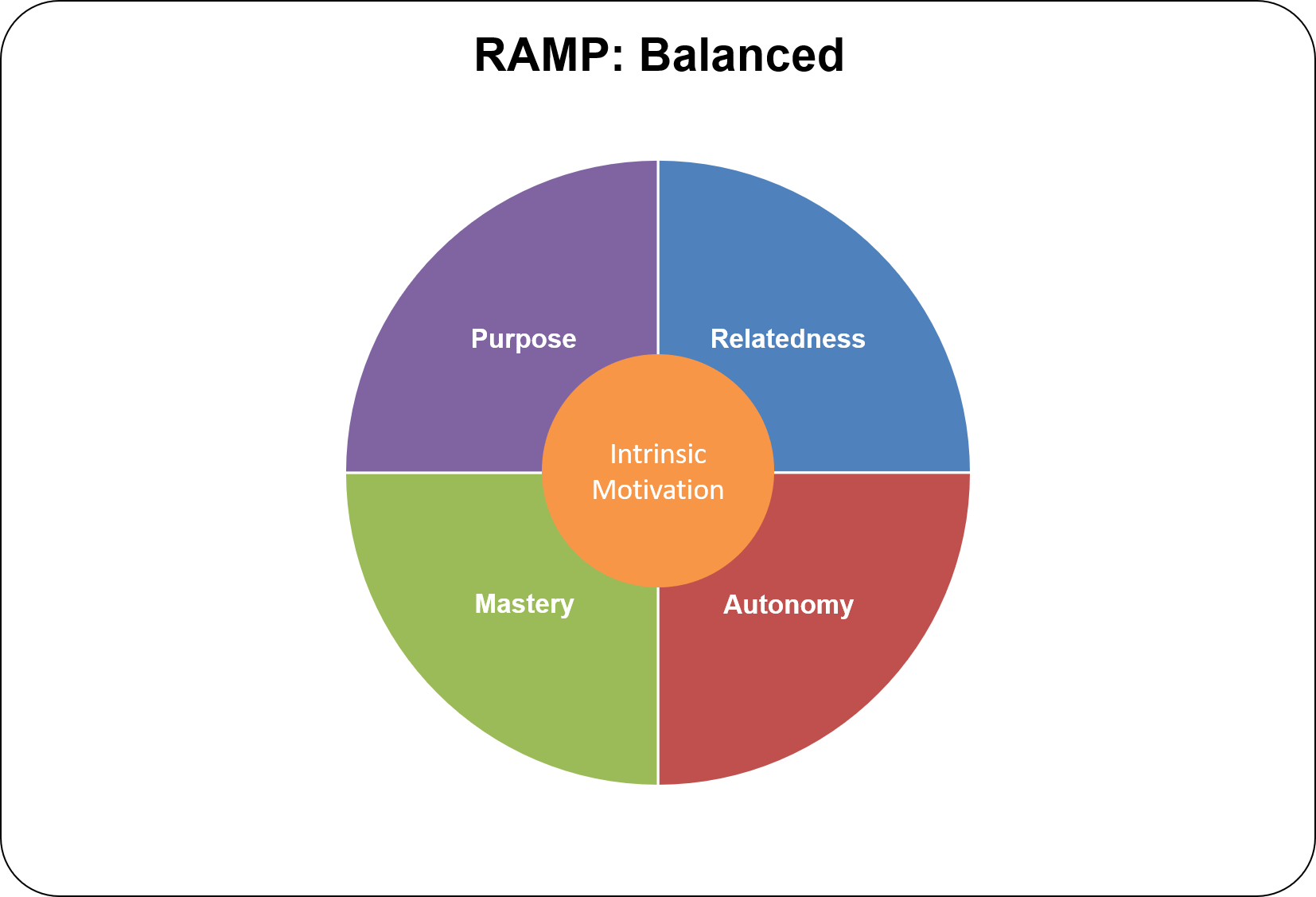
    As we head to the holidays I wanted to revisit an old “model” and just clarify a couple of items that have cropped up in conversation over the years. The item in question is RAMP. This, as you may remember, is my core intrinsic motivation model of Relatedness, Autonomy, Mastery and Purpose. Obviously, based on Self Determination Theory, this has been a really handy tool in all of my gamification exploits over the years.

    The basic idea is these are 4 motivations that are core to all people in some way. In self-determination theory, Deci and Ryan only speak about Relatedness, Autonomy and Competence (Mastery),  as altruistic purpose is part relatedness. Whilst true, for gamification it is useful to separate this out into its own. Read More ...

    Underjustification Effect

    Overjustification Effect

    Before we get onto Underjustification effect, let’s talk about its inspiration. Many of you will know about The Overjustification effect, first described by Daryl Bem in his work on Self-Perception theory in 1967[1].

    Put simply it is the decrease of intrinsic motivation to perform a task or tasks when an extrinsic reward is introduced, and the reward becomes more important than the original task. So, for instance, if you love painting and then start to get paid for it, the money can start to become more important than the love of painting. Once the money is removed, you may be reluctant to go back to it for free, your intrinsic motivation to paint has been undermined by the extrinsic rewards. There is plenty of research out there to back this up! Read More ...

    Exit mobile version