
Cognitive Dissonance and Gamification

Stress 1500040070 Cognitive Dissonance and Gamification

A few years ago, I attended a talk by Mark Sorrell. He was discussing gamification and some of the issues with it. He worked in the games industry, in fact, the now heads up the new London based office of Rovio (they of Angry Birds fame). It was a fascinating talk and one that introduced me to a concept that has fascinated me ever since, Cognitive Dissonance. A term coined in 1957 by Leon Festinger in his book A Theory of Cognitive Dissonance 1

Cognitive Dissonance is the feeling of mental discomfort or stress a person may experience when they hold two or more contradictory beliefs.  An example that Festinger offers is that of a smoker, who whilst knowing smoking is bad for their health, continues to smoke. Read More ...

Forced to have Fun

Every office I have worked in has, at some point, tried to do something “fun” with their employees – usually whether the employees want it or not and often with the best of intentions! A great example of this is one previous employer deciding to buy a Wii for the coffee area. The idea was that putting a Wii in the coffee area would encourage people to have a break, go and play and have some fun. There is a running joke in gamification circles about companies buying pool tables and ping pong tables to inject fun into their companies. Read More ...

Keeping Children Safe in the Internet Age

The world children are growing up in now is very different to the world their parents grew up in. Whilst many of the dangers may have stayed the same, the way they present themselves is often beyond the scope of understanding of many parents out there because they have no relevant personal experience to give it all context.

What I want to offer here is a little bit of advice about keeping children safe online and in games, based on my personal experience covering all of those various angles I have mentioned! This is not a definitive list of advice, but I hope it can help some of you. Read More ...

Relatedness in Single Player Experiences

I love multiplayer games. Very little beats the feeling of taking on real people and working with real people in a game. People provide much less predictable challenges than computer driven opponents.

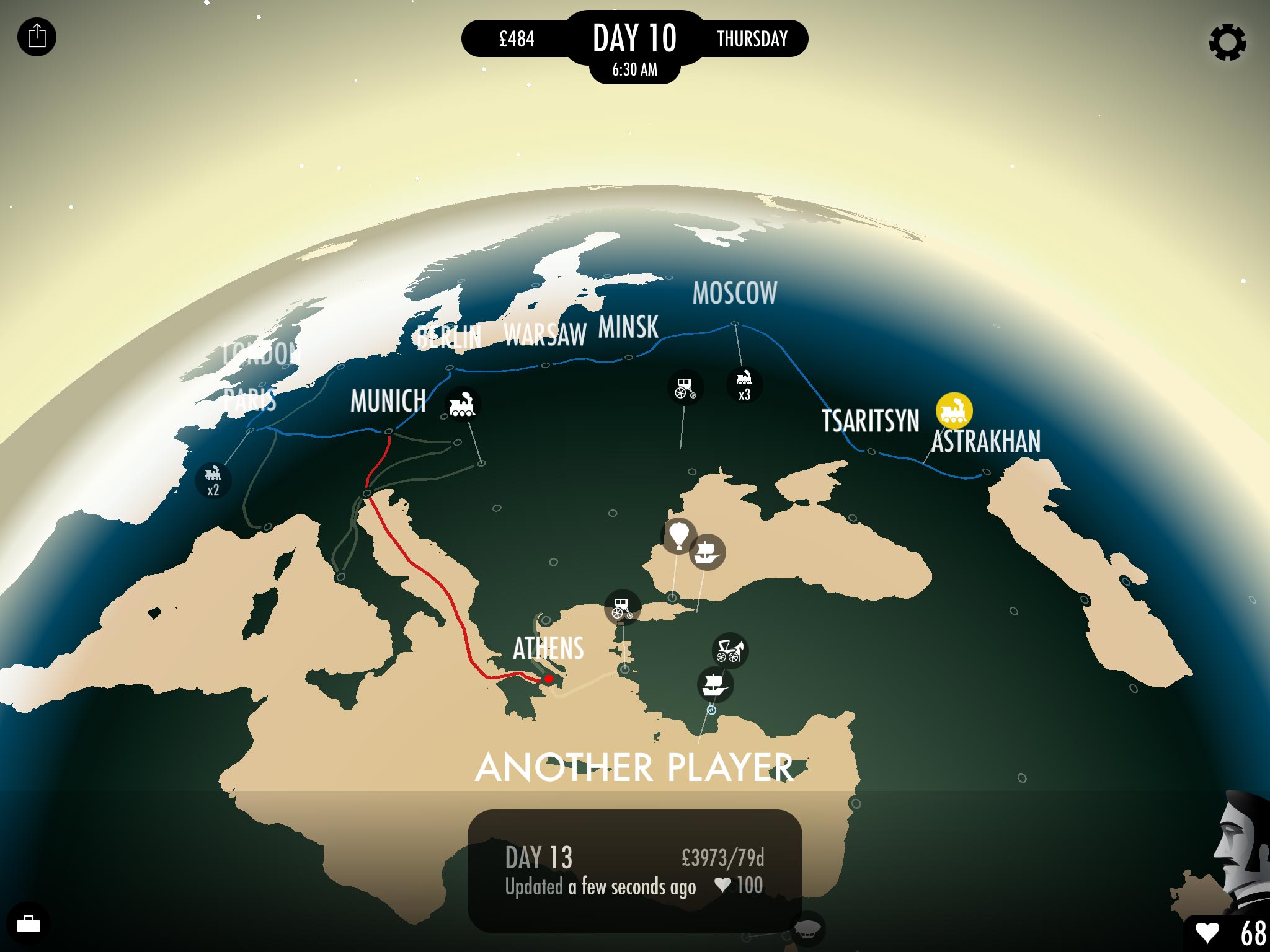
One thing that many multiplayer games miss is a good story. This isn’t always true, but the deepest narrative experiences tend to be single player only. Think about games such as Walking Dead, 80 Days, Heavy Rain, Her Story etc.  Each of this offers a deep story, but on the surface seems to offer nothing that resembles multiplayer elements. Read More ...

User Type HEXAD Lenses

One of the cool things about working in gamification is having access to some very cool and very intelligent people! One of those is a chap by the name of Carl Eacott. We met on Twitter some time ago and then months later discovered we lived on the same street. Since then, I have ended up working in the same company and to save the planet, we car share. The awesome thing about this is I get 2 hours a day to speak to a genuine work psychologist. It has been hugely interesting and has led to many “Ah-Hah!” moments. One of those was the idea of using my User Types HEXAD as a series of lenses rather than specific set in stone types. Read More ...

Exit mobile version