Keeping it Real in Fantasy Worlds

The Happy Cog Keeping it Real in Fantasy Worlds

A Game of Rules

Richard Bartle recently raised a really interesting point about certain fantasy based shows and games after watching Game of Thrones. His complaint was that even in fantasy worlds, there need to be rules and those rules need to be stuck to. Anything that is not explained by the new fantasy rules of the world should then default to the rules of the real world. One example he gives is that of Sam in Game of Thrones. Despite a very active lifestyle in GoT, he doesn’t lose as much weight as you might expect if it were the real world and there is no explanation for that. You can understand the existence of magic and dragons because the narrative introduces them early on — so they are part of the rules of the world. However, lack of weight loss in Sam’s instance seems to be very unlikely. Read More ...

Using Gamification to Elevate Design

Whatever you think you think gamification is or what it is for, if you have used it it is usually for one reason – to increase engagement with something. You may not have defined engagement as such, you may have spoken about active participation, or learning transfer, or productivity increase. However, they all point in one direction – to encourage people to do more of something or to do it better.

Some of the projects you have done or seen may have been long term focused, looking to increase intrinsic motivation of participants, others may have just been short term campaigns using simple mechanics to reward activity. Read More ...

New Book and some Slides

Quick update of stuff!

First, I have a new book out called “The Little Cog”. You may recognise that as I have told the story here before. It is about a little cog who is trying to understand his purpose in the wider world. It is a tongue in cheek message for managers everywhere – but my kids loved the book as well. Here is a link to get it from Amazon and also a video of me reading it!

The second part of this post is about Marczewski’s Core Principles of Gamification. This is a short series of slides I have released on SlideShare that goes through some of my core principles. They are a condensed version of blog posts on the site AND will be coming out as a small colour book in the next few days as well. Here are 3 of the 4 sets of slides that are in the book. Read More ...

The Intrinsic Motivation Fallacy

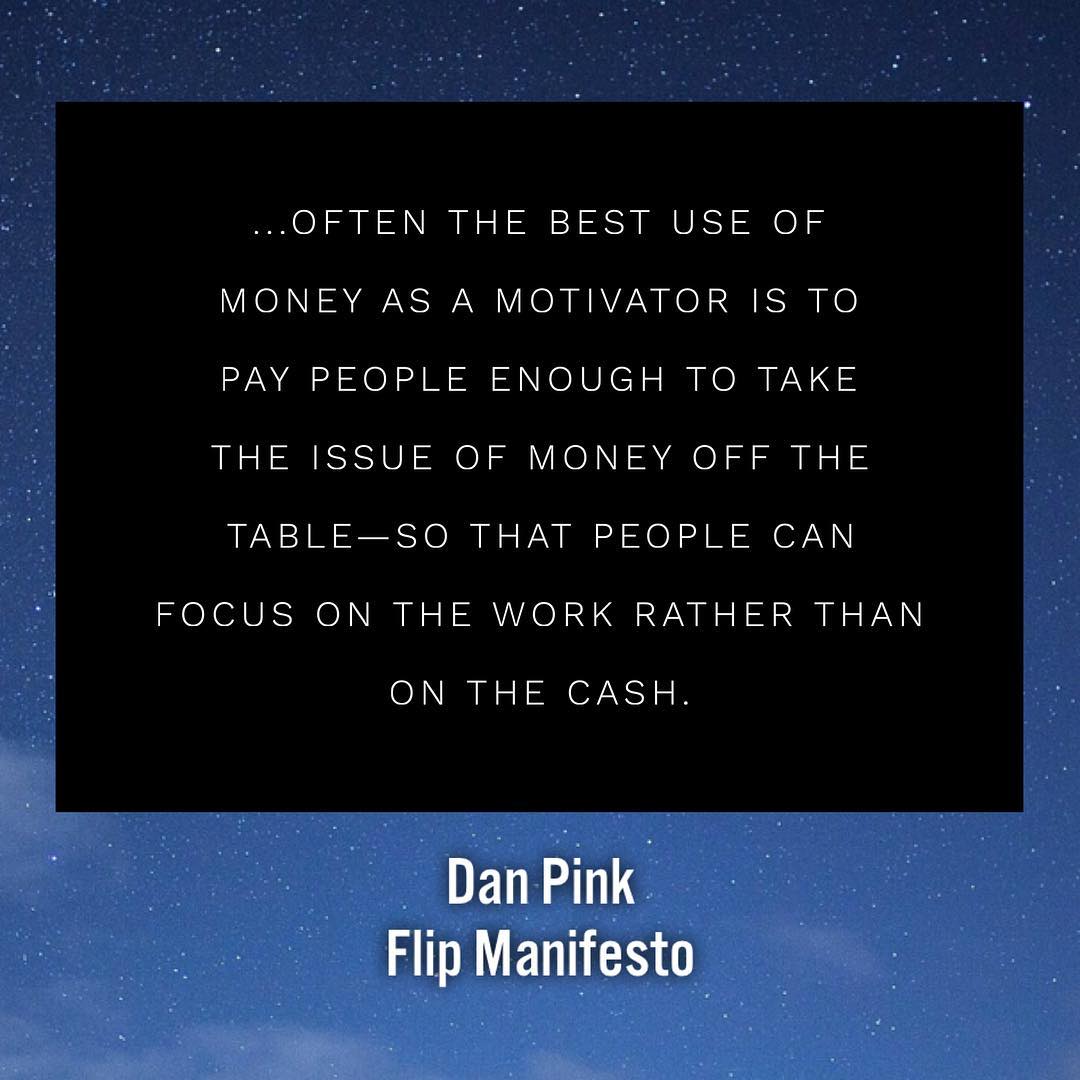
“All you need is autonomy to be happy in work”

This is a quote I have heard on more than one occasion in my life as a gamification consultant. I have even had a friend quote his boss to me saying the following:

“You don’t need a pay rise, I read a book that siad money isn’t a motivator. So with that, I will give you more autonomy and purpose in your role.”

This idea that intrinsic motivation is an alternative to money comes from a misunderstanding of several studies and pop psychology books around motivation.  A key book that is often cited is that of Drive by Dan Pink. I have mentioned it in the past and when I first started in gamification it was a great jumping off point for me. In the book, he describes three intrinsic motivations that all people need to be happy in their lives and work: Autonomy, Mastery and Purpose. This is based on the work of Deci and Ryan around motivation called Self Determination Theory [1] – another text I have referenced often and of course the basis for my RAMP framework. Read More ...

The Game Thinking Spectrum

A quick thought around my original Game Thinking content from a few years back.

I often listen to others talking about gamification, serious games and the like, as if they had no relationship to each other. Whilst it is true that they all require different approaches to develop solutions with, they should not be considered as totally exclusive of one another.

A good gamification consultant will look at the problem they are given and decide what the best solution is for their client based on their needs, not on the semantics surrounding the difference between gamification and serious games. If the solution requires a game, that is what will get made. If it will benefit from gamification, with some learning based games and maybe even a few pure entertainment games, then that is what will get made! Read More ...

Exit mobile version