Keeping it Real in Fantasy Worlds

The Happy Cog Keeping it Real in Fantasy Worlds

A Game of Rules

Richard Bartle recently raised a really interesting point about certain fantasy based shows and games after watching Game of Thrones. His complaint was that even in fantasy worlds, there need to be rules and those rules need to be stuck to. Anything that is not explained by the new fantasy rules of the world should then default to the rules of the real world. One example he gives is that of Sam in Game of Thrones. Despite a very active lifestyle in GoT, he doesn’t lose as much weight as you might expect if it were the real world and there is no explanation for that. You can understand the existence of magic and dragons because the narrative introduces them early on — so they are part of the rules of the world. However, lack of weight loss in Sam’s instance seems to be very unlikely. Read More ...

The Game Thinking Spectrum

Game Thinking Spectrum 2 The Game Thinking Spectrum

A quick thought around my original Game Thinking content from a few years back.

I often listen to others talking about gamification, serious games and the like, as if they had no relationship to each other. Whilst it is true that they all require different approaches to develop solutions with, they should not be considered as totally exclusive of one another.

A good gamification consultant will look at the problem they are given and decide what the best solution is for their client based on their needs, not on the semantics surrounding the difference between gamification and serious games. If the solution requires a game, that is what will get made. If it will benefit from gamification, with some learning based games and maybe even a few pure entertainment games, then that is what will get made! Read More ...

Forced to have Fun

Books 493252 960 720 Forced to have Fun

Every office I have worked in has, at some point, tried to do something “fun” with their employees – usually whether the employees want it or not and often with the best of intentions! A great example of this is one previous employer deciding to buy a Wii for the coffee area. The idea was that putting a Wii in the coffee area would encourage people to have a break, go and play and have some fun. There is a running joke in gamification circles about companies buying pool tables and ping pong tables to inject fun into their companies. Read More ...

Relatedness in Single Player Experiences

1 globe multiplayer Relatedness in Single Player Experiences

I love multiplayer games. Very little beats the feeling of taking on real people and working with real people in a game. People provide much less predictable challenges than computer driven opponents.

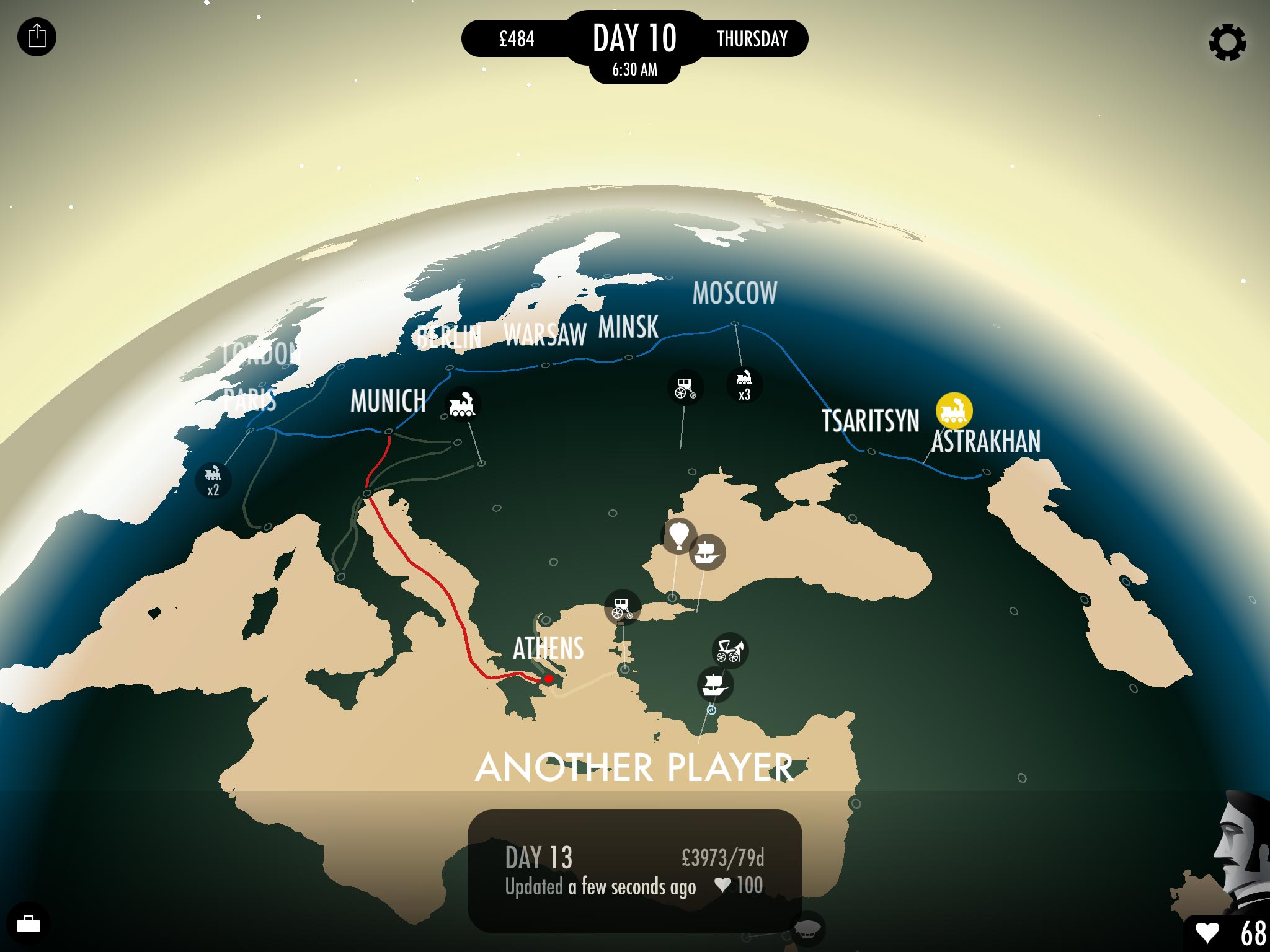
One thing that many multiplayer games miss is a good story. This isn’t always true, but the deepest narrative experiences tend to be single player only. Think about games such as Walking Dead, 80 Days, Heavy Rain, Her Story etc.  Each of this offers a deep story, but on the surface seems to offer nothing that resembles multiplayer elements. Read More ...

Her Story, Gone Home and Narrative Atoms

HS Wide Her Story Gone Home and Narrative Atoms

Last week I wrote about Narrative Atoms in some details. They are basically small nuggets of narrative that can stand on their own but together build the bigger story.

Two obvious examples that I totally forgot about are the game / narrative experiences of Her Story and Gone Home.

Her Story is the fabulous creation of Sam Barlow. You take the role of investigator, reviewing a police archive of video footage of a British woman accused of murder. You can access the footage in any order you like, gleaning more clues and information with every video you watch. Sometimes the videos will not make sense until you find the video that came before it, others give you all you need in just a few seconds of footage. The joy is discovering how the story fits together, jumping back and forward through the timeline. New snippets of information give you new ideas on what to search in the archive, leading to many “Ahahaa” moments. Read More ...