#Gamification: Voting Mechanics

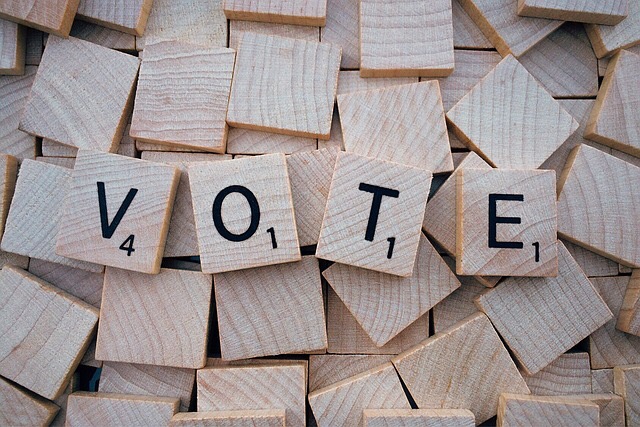
IMG 2272 Gamification Voting Mechanics

Balancing systems is a time consuming but highly important part of any gamified design. Getting the points per action right, knowing how to reward each activity. Ensuring the narrative is well rounded and keeps the pace going. Testing and retesting the team dynamics.

Missing out this crucial phase can mean the difference between success and crushing failure.

Recently I was involved in a simple competition that revolved around voting. It had a mechanic I had never come across used in quite this way before and pray to God I never do again. Read More ...

The Game Thinking Spectrum

Game Thinking Spectrum 2 The Game Thinking Spectrum

A quick thought around my original Game Thinking content from a few years back.

I often listen to others talking about gamification, serious games and the like, as if they had no relationship to each other. Whilst it is true that they all require different approaches to develop solutions with, they should not be considered as totally exclusive of one another.

A good gamification consultant will look at the problem they are given and decide what the best solution is for their client based on their needs, not on the semantics surrounding the difference between gamification and serious games. If the solution requires a game, that is what will get made. If it will benefit from gamification, with some learning based games and maybe even a few pure entertainment games, then that is what will get made! Read More ...

Behaviour and Behaviour Change

Behaviour Behaviour and Behaviour Change

One of the things you often hear around talk of gamification is the term “Behaviour Change”. At one time, gamification experts and platform providers began to get nervous of the word gamification and started to talk about “Behavioural Science” and “Behaviour Change Platforms”. I remember writing a post somewhere about what would happen if you could not use gamification as a word and even suggested behaviour change as one of the options.

However, over the years I have realised that this is probably a bit naive and possibly arrogant. Behaviour is a complex thing and one that does not change easily, especially when you are trying to do it with nothing but shiny trinkets with a cut and paste bit of JavaScript! Read More ...

Contextual Relevance in Gamification

Contextual relevance Contextual Relevance in Gamification

People often say that “Content is King”. I have always maintained that whilst that is true, “Context is Queen”, and we all know who really wears the pants in a relationship!

When you create gamified solutions there is often a risk and even a desire to throw the kitchen sink at the design, deciding on the mechanics you want to include well before you have any idea of what the project will actually require!

Included in this risk is the desire to create things that have no relevance at all to the project, but look pretty! One of the biggest perpetrators of this crime is the “mini game”. Many gamification designers are, at their heart, game designers in some form or another. Our enthusiasm for games can sometimes spill over into the creation of meaningless games that do nothing to address the overall needs of the solution. Read More ...

Gamification: When Badges are Better than Badgers

The Ninja Badger Gamification When Badges are Better than Badgers

Many years ago, I made a typo in a tweet when I mentioned badgers instead of badges. I even turned it into a blog, “Adding badgers would be more gamification than badges.”

It was a slightly idealistic view of badges, where I was almost saying “don’t use badges as they are bad”. I was young and impressionable! However, it was the first time I mentioned my philosophy on badges and rewards in general

“Rewards should recognise achievement, not be the achievement”

This is as true now as it was then, but it is not the only viewpoint and it is not 100% accurate. Badges get a bad reputation in and around the gamification industry, often seen as a lazy way to try and inject some activity into a system. This is true of far too many implementations, so I wanted to look at a few ways in which badges are better than badgers and what we can learn from that. To be honest, I could have called this article “50 Shades of Badges” as there is no black and white at all when you start to dig into their benefits and their pitfalls! Read More ...