Underjustification Effect

Underjustification Effect Underjustification Effect

Overjustification Effect

Before we get onto Underjustification effect, let’s talk about its inspiration. Many of you will know about The Overjustification effect, first described by Daryl Bem in his work on Self-Perception theory in 1967[1].

Put simply it is the decrease of intrinsic motivation to perform a task or tasks when an extrinsic reward is introduced, and the reward becomes more important than the original task. So, for instance, if you love painting and then start to get paid for it, the money can start to become more important than the love of painting. Once the money is removed, you may be reluctant to go back to it for free, your intrinsic motivation to paint has been undermined by the extrinsic rewards. There is plenty of research out there to back this up! Read More ...

The 3 Layers of Motivation 2018 Edition

Layers of motivation 2017 The 3 Layers of Motivation 2018 Edition

Ok, so it isn’t quite 2018, but near enough!

I wanted to present a new graphic for my Layers of Motivation (Found here), with a little bit of explanation about one aspect!

For those that don’t know, this was created as a way to explain where purely extrinsic and trivial methods of motivating people, such as points badges and leaderboards, sat within general motivation.

Based on good old Maslow’s Hierarchy of Needs, Self Determination Theory, my own RAMP and gamification mechanics.

The key learning is that to engage and motivate users, you need to understand what their needs are. If they are starving, offering them digital badges won’t really hold any motivational drive for them! If they are generally satisfied in their day today base needs but are unhappy in their role because they lack autonomy, adding a leaderboard to their day job will not help! Read More ...

The Intrinsic Motivation Fallacy

20767020 1910443422562772 988841727991218176 n 1 The Intrinsic Motivation Fallacy

“All you need is autonomy to be happy in work”

This is a quote I have heard on more than one occasion in my life as a gamification consultant. I have even had a friend quote his boss to me saying the following:

“You don’t need a pay rise, I read a book that siad money isn’t a motivator. So with that, I will give you more autonomy and purpose in your role.”

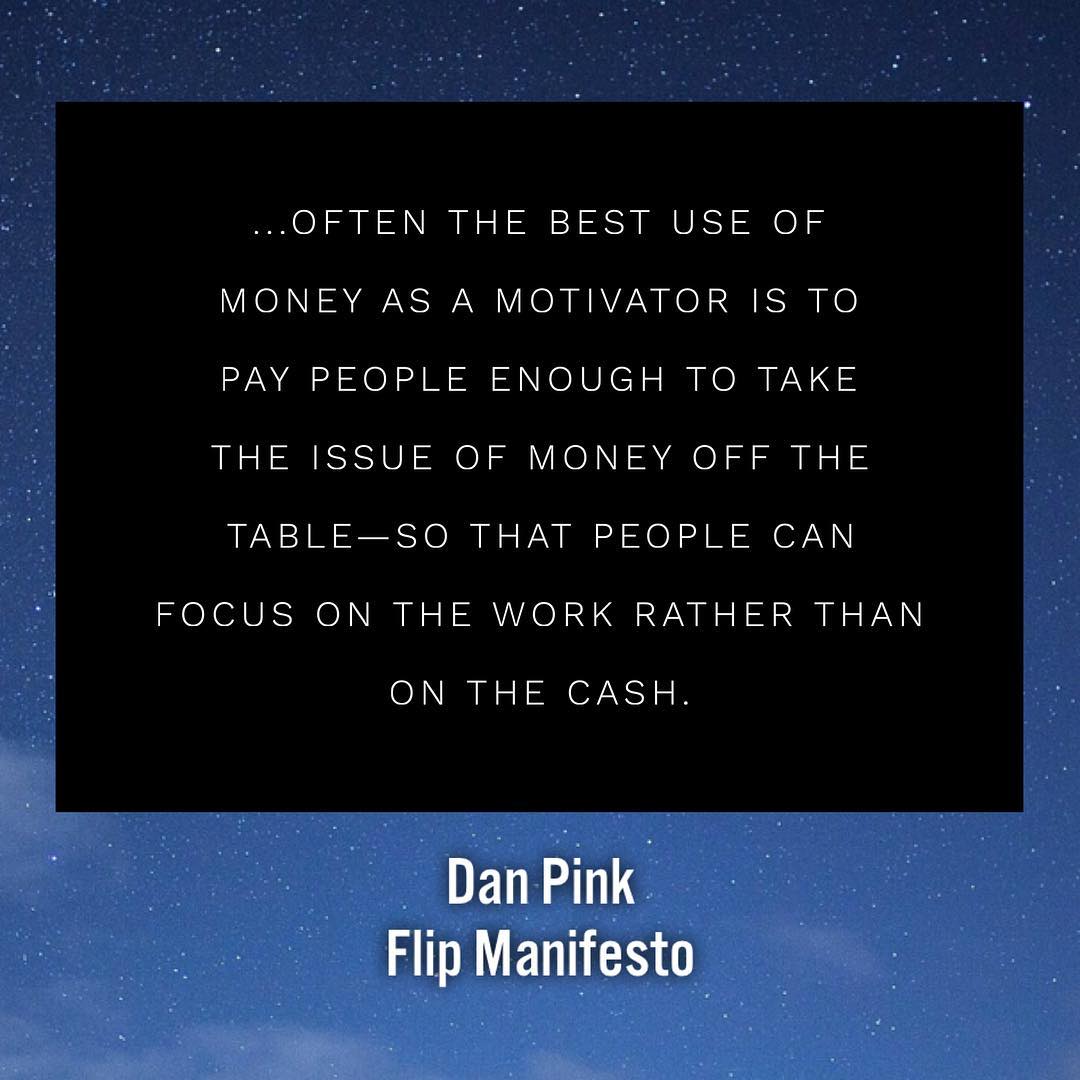
This idea that intrinsic motivation is an alternative to money comes from a misunderstanding of several studies and pop psychology books around motivation.  A key book that is often cited is that of Drive by Dan Pink. I have mentioned it in the past and when I first started in gamification it was a great jumping off point for me. In the book, he describes three intrinsic motivations that all people need to be happy in their lives and work: Autonomy, Mastery and Purpose. This is based on the work of Deci and Ryan around motivation called Self Determination Theory [1] – another text I have referenced often and of course the basis for my RAMP framework. Read More ...

Relatedness in Single Player Experiences

1 globe multiplayer Relatedness in Single Player Experiences

I love multiplayer games. Very little beats the feeling of taking on real people and working with real people in a game. People provide much less predictable challenges than computer driven opponents.

One thing that many multiplayer games miss is a good story. This isn’t always true, but the deepest narrative experiences tend to be single player only. Think about games such as Walking Dead, 80 Days, Heavy Rain, Her Story etc.  Each of this offers a deep story, but on the surface seems to offer nothing that resembles multiplayer elements. Read More ...

What’s the difference between Intrinsic Motivation and Extrinsic Rewards

Red pill blue pill1 What 8217 s the difference between Intrinsic Motivation and Extrinsic Rewards

A very common question in gamification is “What is the difference between Intrinsic and Extrinsic” when talking about rewards and motivation. Well..

  • Intrinsic motivation: Personal/internal needs and reasons acting.
    • Relatedness, Autonomy, Mastery and Purpose are examples of this.
    • You don’t play video games for the reward, you play because you enjoy them
    • You read for pleasure, not monetary reward.
    • You spend time with your family because you want to.
    • Learn because you want to improve and be better.
    • Read More ...