Introduction to Gamification Part 8: User Types

Intro to Gamification Part 8 Introduction to Gamification Part 8 User Types

There are many tools available to gamification designers to help them with their designs. One of the most useful for me, for reasons I will go into here, is the concept of User Types.

There are many views on user profiling and many ways to do it. Some people love it, some hate it. I am in the middle. It is a very useful tool, but it is not the only thing you should rely on. For me, they can be a useful way to understand or at least considers the motivation so those who will be using your system.

Bartle’s Player Types

In the games world there are a few famous player type models, Bartle’s Player Types being the most well known [1]. In these he breaks down players of his famous Multi-User Dungeon (MUD) game into 4 key types. Killer, Achiever, Socliasler and Explorer. Each type of player had a different motivation to play the game. Read More ...

What I am Learning from Playing Fortnite with my Daughter

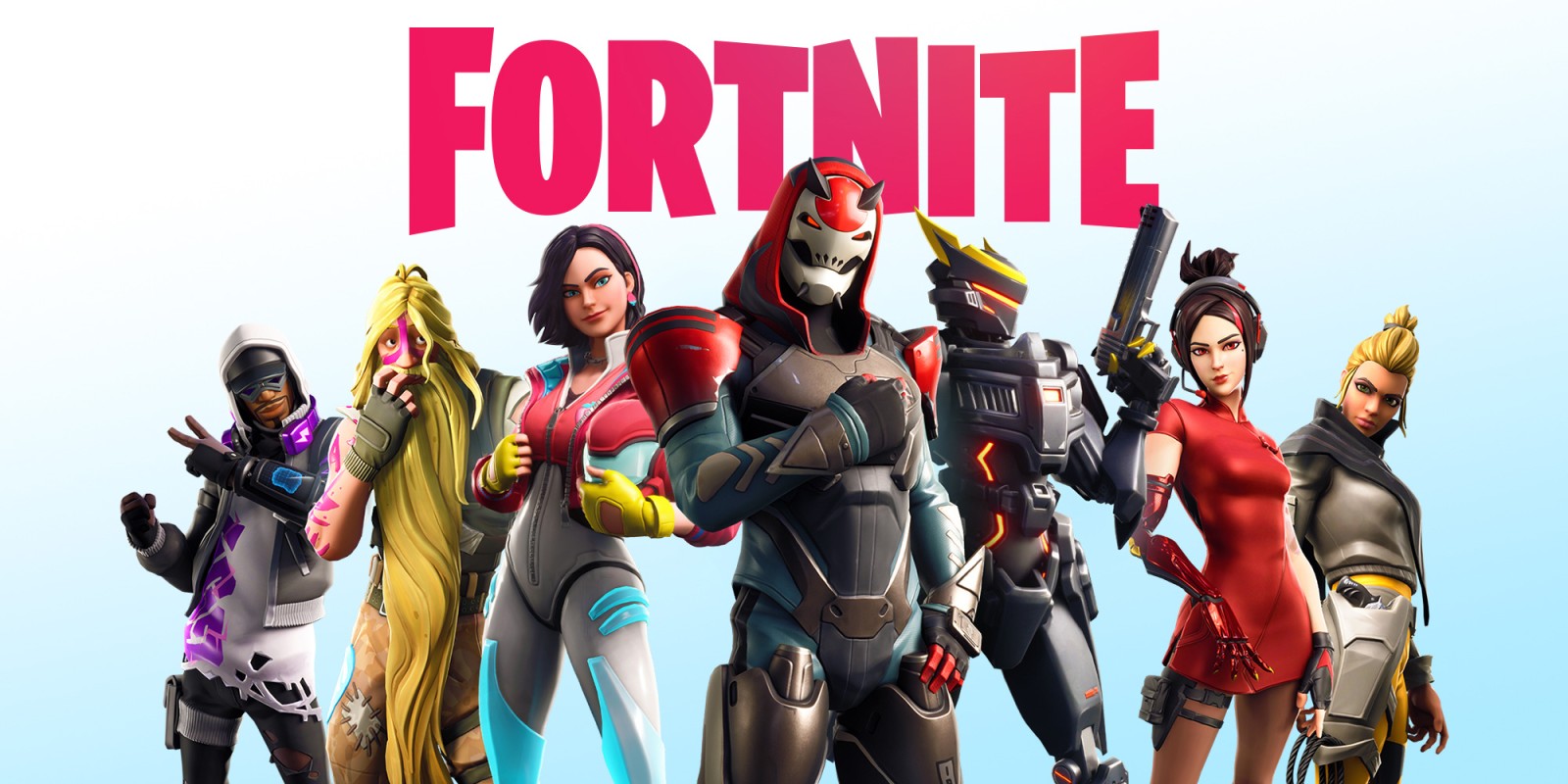
H2x1 NSwitchDS Fortnite image1600w What I am Learning from Playing Fortnite with my Daughter

I have finally caved and given Fortnite some proper time.

It all started when my 12-year-old daughter noticed it was on my PC. I had downloaded when it first came out, but after one go, decided it wasn’t for me. However, it had been quietly updating in the background, just waiting for my return.

Fortnite is something of a gaming phenomenon, in a similar way to Minecraft a few years ago. It has had an enormous impact on society. It has spawned toys, board games and I am sure a film can’t be far away as EPIC tries to milk as much as possible from its latest cash cow. Of course, it is not without its controversies as well. Claims of gaming addiction, copyright infringements and more. Read More ...

Is Gamification Manipulation

Hypnosis 1562936623 Is Gamification Manipulation

Is gamification a form of manipulation?

This is a question that comes up over and over again in my world.

There is often a concern that gamification is just used to force or trick people into doing things that they would not otherwise want to do. It as is if people have the view that it is like one of those old Saturday night magic shows, where the hypnotist get people to pretend they were chickens.

They view gamification as nothing more than a Skinner Box, operant conditioning for a new generation. People rewarded for actions that serve only the “powers that be” with no regard for the needs of the user. Read More ...

Stop Using Flow as an Objective in Gamification

Knot 1561626984 Stop Using Flow as an Objective in Gamification

In gamification, we (I) talk about flow all the time. But, as I have explained in previous posts, it isn’t really flow that we are speaking about in its truest for – rather balance. The fine line between challenge and ability, where a player might find themselves stretched but not in a position where the challenge is impossible (or boringly easy).

As a very quick reminder, Flow is a state that Mihály Csíkszentmihályi wrote about in his book “Flow: The Psychology of Optimal Experience [1]”. It is a state in which everything is perfectly balanced, skill, challenge, concentration and more. Time seems to stand still, the world around you evaporates – it is just you and the task. Read More ...

Progress: My Desert Island Gamification Element

Progress Progress My Desert Island Gamification Element

You want to use gamification as part of a solution you are building, but resources are limited and you can’t take a fully gamified approach. What is the one gamification element that you would insist was included, no matter what?

For me, it would be progress.

Start with Goals

This is not a single element, so this may be a bit of a cheat. Progress is linked to two main concepts. Goals and Feedback, something I spoke about at length in Part 5 of my Introduction to Gamification (which I will return to writing very soon!). So to include progress in a design, I need to be able to create goals for the user. As I mention in the linked article, these can be large goals that are then broken down into smaller goals: Read More ...