User Types – an expansion to consider

Gamification glossary User Types 8211 an expansion to consider

I have not mentioned User Types for at least a couple of blog posts – so though it was time to mess with your heads a little.

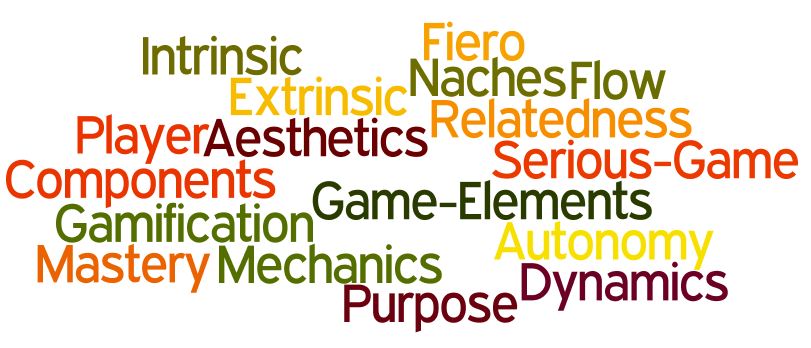
When I first started the user types, there were four intrinsic types (Socialiser, Free Spirit, Achiever, Philanthropist) which represented the four intrinsic motivators I speak about in RAMP (Relatedness, Autonomy, Master, Purpose). There was also one extrinsic type called the Player.

I later moved to eight types by expanding the player into four basic types that mirrored similar actions to the intrinsic types, but for rewards. These new types were; Networker, Exploiter, Consumer and Self Seeker. Read More ...
The Flow Shift and Bounce

Flow shift The Flow Shift and Bounce

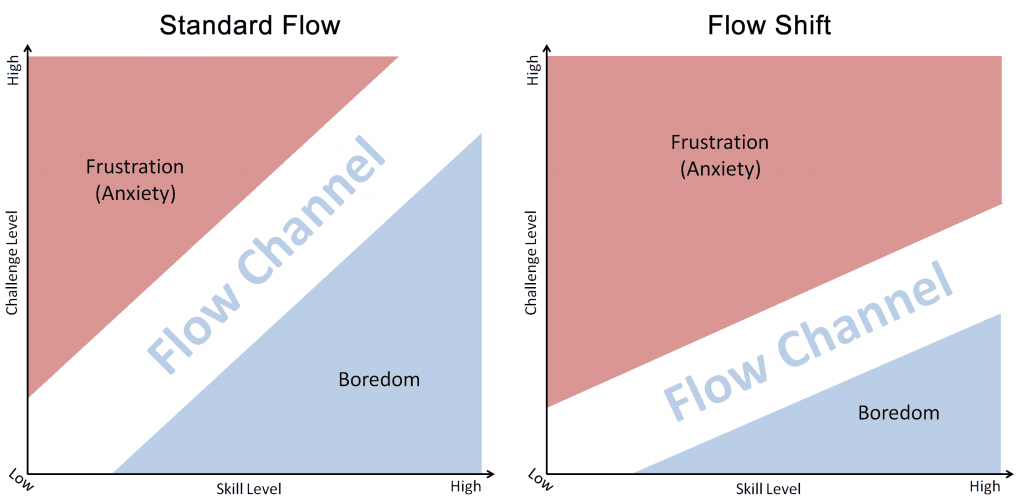
This is more a thought and possibly even a question to those who know more than me about the Flow concept.  I have spoken about Flow in the past and use it as a core principle to engaging long term design.

However, recently it occurred to me that long term exposure to extremes in frustration or boredom, could alter our perception of flow.

For instance, you spend months in the boredom phase. You have little to no challenge. It seems reasonable that you would need to boost the level of challenge to help improve engagement and in turn try and get closer to this idea of flow. Below is the “ideal” mix of skill and challenge as described in flow theory – only this time plotted against time. Read More ...

Non-Competitive Leaderboards

Wearables1K Non Competitive Leaderboards

Leaderboards are evil. They create competition in environments that may not benefit from competition. They make more losers than winners and only engage the top 10 players on the board.  Right? (out of context quotes ahoy!)

Well, yes and no.

In reality it is not quite as simple as that. It all comes down to intent, presentation and interpretation. If the point of your leaderboard is to create unnatural competition between groups of people, then you may find you don’t get the results you expect. Not everyone wants to compete, so if that is your intent you will often find very short lived engagement. As soon as people find they are not in the top ten, you tend to find they lose interest. The competition then revolves around the top players, leaving the rest actually disengaged from the process. Read More ...

What can a toilet teach us about gamification?

20140612 142733 52053113 What can a toilet teach us about gamification

Another talk, another idea. Having just done a really fun talk for KMUK, a new analogy came to mind to illustrate using simple user experience to change behaviours.

One of the things we are trying to do to save the planet, is use less water. The way this is often done is offering the user two options. One is a long flush (for the harder to shift moments of life) and a short, water saving flush for everything else.

The obvious symbology for this is a big button for the big flush and a little button for a little flush. Simples! Read More ...

Lowering barriers with Gamification

732172 48635269 Lowering barriers with Gamification

I did a very enjoyable talk at the Knowledge Cafe the other day. The audience was made up of various interested people, varying wildly in age – but with a majority belonging to Knowledge Management. It stood out for me in two ways. The first was the fact it was the first time I had done a talk with no slides. I gave the audience the option of having slides or not – they unanimously opted not (a lesson to learn here)! The second was that it was the first time I had really spoken about the concept that gamification can be viewed as lowering barriers. Read More ...