
Forced to have Fun

Books 493252 960 720 Forced to have Fun

Every office I have worked in has, at some point, tried to do something “fun” with their employees – usually whether the employees want it or not and often with the best of intentions! A great example of this is one previous employer deciding to buy a Wii for the coffee area. The idea was that putting a Wii in the coffee area would encourage people to have a break, go and play and have some fun. There is a running joke in gamification circles about companies buying pool tables and ping pong tables to inject fun into their companies. Read More ...

Relatedness in Single Player Experiences

1 globe multiplayer Relatedness in Single Player Experiences

I love multiplayer games. Very little beats the feeling of taking on real people and working with real people in a game. People provide much less predictable challenges than computer driven opponents.

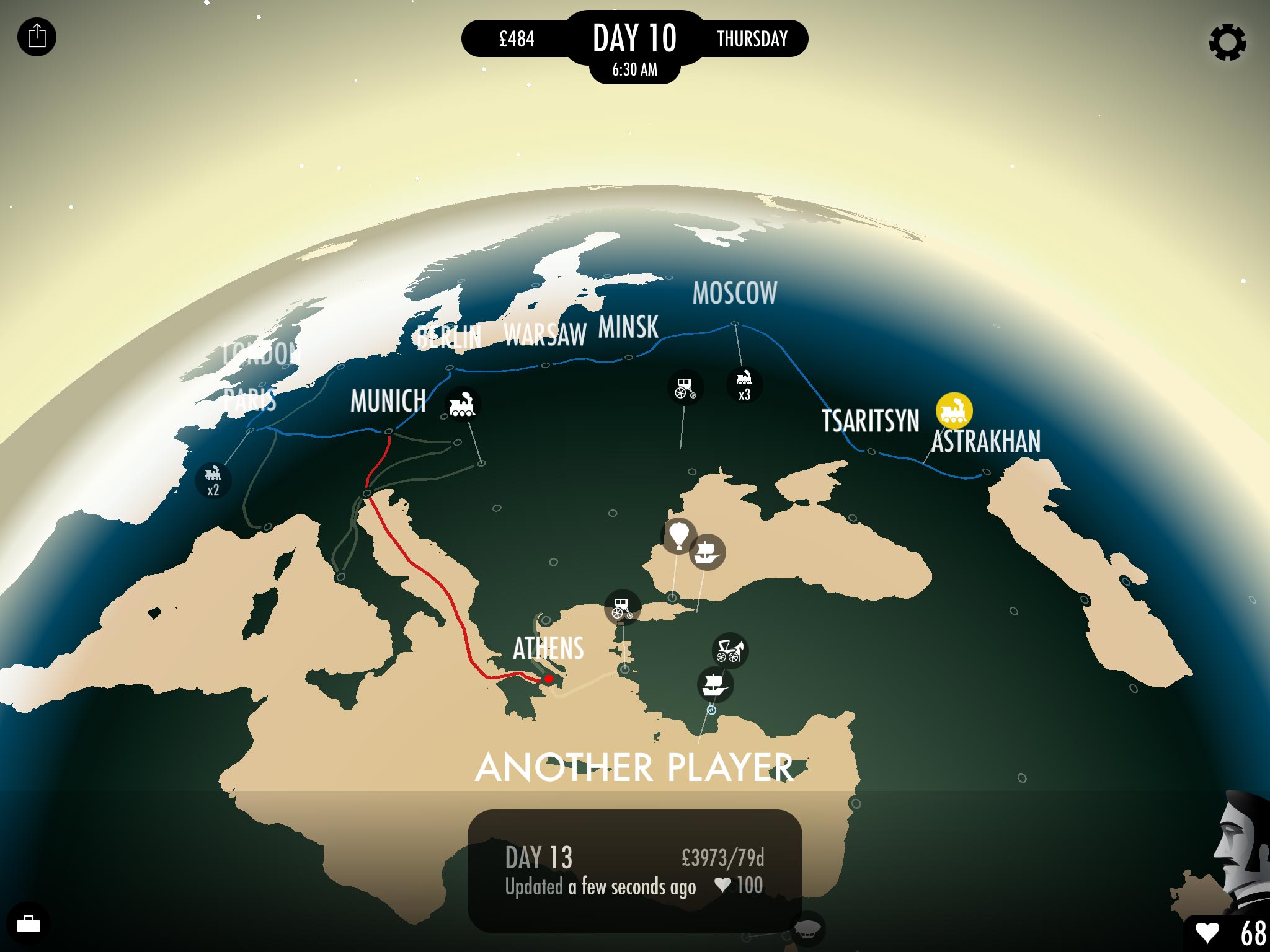
One thing that many multiplayer games miss is a good story. This isn’t always true, but the deepest narrative experiences tend to be single player only. Think about games such as Walking Dead, 80 Days, Heavy Rain, Her Story etc.  Each of this offers a deep story, but on the surface seems to offer nothing that resembles multiplayer elements. Read More ...

User Type HEXAD Lenses

Cave 2129548 960 720 User Type HEXAD Lenses

One of the cool things about working in gamification is having access to some very cool and very intelligent people! One of those is a chap by the name of Carl Eacott. We met on Twitter some time ago and then months later discovered we lived on the same street. Since then, I have ended up working in the same company and to save the planet, we car share. The awesome thing about this is I get 2 hours a day to speak to a genuine work psychologist. It has been hugely interesting and has led to many “Ah-Hah!” moments. One of those was the idea of using my User Types HEXAD as a series of lenses rather than specific set in stone types. Read More ...

4 Simple Questions To Transform Your Gamification Implementation

WWWH 4 Simple Questions To Transform Your Gamification Implementation

It is simple to jump to solutioneering as soon as you feel you have a problem that needs fixing. However, taking a step back and asking 4 simple questions can save you time and money in the long run.

  1.  “What is the problem”
  2.   “Why do we need to fix it”
  3.   “What needs to change to fix it”
  4.   “How do we do that”

What is the problem?

First, you need to explore What you are wanting to change. This is the easy bit and is likely to change, but it is a start. Be as specific as you can, but be open minded as you explore further!

Most people already have this in mind when they first go to someone asking for gamification.

Why do we need to fix it?

I have spoken about this in the past, but it is so important that I like to bring it up from time to time. Read More ...

Her Story, Gone Home and Narrative Atoms

HS Wide Her Story Gone Home and Narrative Atoms

Last week I wrote about Narrative Atoms in some details. They are basically small nuggets of narrative that can stand on their own but together build the bigger story.

Two obvious examples that I totally forgot about are the game / narrative experiences of Her Story and Gone Home.

Her Story is the fabulous creation of Sam Barlow. You take the role of investigator, reviewing a police archive of video footage of a British woman accused of murder. You can access the footage in any order you like, gleaning more clues and information with every video you watch. Sometimes the videos will not make sense until you find the video that came before it, others give you all you need in just a few seconds of footage. The joy is discovering how the story fits together, jumping back and forward through the timeline. New snippets of information give you new ideas on what to search in the archive, leading to many “Ahahaa” moments. Read More ...